



Key Largo Fishing Calendar: What to Catch by Month

Planning a Key Largo fishing trip around your vacation dates? Start with the fish you want to catch, then choose a charter that fits the people coming. Sailfish, mahi-mahi and reef species have different seasonal patterns. The right trip also depends on how much time your group wants on the water.
This guide follows the Florida Keys & Key West Fishing Opportunity Calendar. Its Peak, Good and Lower ratings describe typical regional opportunities. They give you a starting point for planning; weather, bait and fish movement determine the fishing on your dates. Ask Capt. Dan Matthews about the current plan before booking around a particular species.
Fishing in Key Largo month by month
January
Sailfish, wahoo and blackfin tuna are in the calendar’s peak group. Mahi-mahi has a lower rating. An offshore trolling and live-bait charter fits the winter targets; yellowtail and mutton snapper remain good regional opportunities for a reef plan.
February
The winter pattern continues for sailfish, wahoo and blackfin tuna. For a family’s first fishing day, yellowtail snapper offers a year-round option to discuss. Choose the length around the children’s comfort aboard rather than committing everyone to a long offshore day.
March
Greater amberjack joins sailfish and blackfin tuna in the peak group. That gives anglers a reason to compare deeper reef and wreck fishing with offshore trolling. Wahoo is rated good; mahi remains lower before the warmer-season rise.
April
Yellowtail snapper, mutton snapper, greater amberjack and blackfin tuna all receive peak ratings. Mahi and sailfish are rated good. This is a useful crossover month to choose between working structure and searching open water, with your target guiding the trip.
May
Mahi moves into its peak period. Yellowtail, mutton snapper and greater amberjack also stay in the peak group. Choose offshore for mahi, or compare the reef and wreck trips if your group would rather fish structure.
June
Mahi, yellowtail and mutton snapper retain peak ratings. Sailfish moves into the lower group, while blackfin tuna and wahoo are rated good. A short reef outing and a longer offshore search are different ways to plan a summer fishing day.
July
Mahi and yellowtail snapper are the peak-rated species among these eight. Sailfish and wahoo are lower. Offshore fish can involve a longer summer run, so discuss six or eight hours when mahi is the priority. Travel is part of your booked time.
August
Mahi and yellowtail remain the seasonal focus; blackfin tuna is rated good. Decide how much time everyone wants aboard before choosing between the nearby reefs and an offshore day. The Intro Reef trip offers two-, three- and four-hour choices for a shorter outing.
September
Mahi and blackfin tuna share peak ratings. Wahoo moves back to good, while sailfish remains lower. If tuna or mahi is the reason for your visit, tell Dan before booking so the trip length and fishing method fit your goal.
October
Blackfin tuna is the peak-rated species in this group. Mahi, sailfish and wahoo are rated good, as are yellowtail, mutton snapper and greater amberjack. Compare offshore fishing with deeper reef and wreck work around the conditions for your dates.
November
Sailfish returns to the peak group alongside blackfin tuna and mutton snapper. Mahi drops to lower. For a winter offshore trip, start by discussing sailfish and tuna; anglers interested in bottom fishing can compare the deeper reef and wreck option.
December
Sailfish, wahoo, blackfin tuna and mutton snapper have peak ratings. Yellowtail and swordfish are rated good. A winter visit can support several fishing plans, from a first reef trip with the kids to a dedicated full day offshore.
Match the calendar to your charter
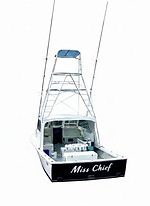
All four fishing options aboard Miss Chief are private for your group of up to six. Pick the experience first, then choose the time you need.
Family and beginner reef fishing
Intro Reef trips run for two, three or four hours on nearby patch reefs. The crew helps with tackle and bait and teaches as you fish. Yellowtail has good or peak ratings all year, with its peak period from April through August.
Offshore trolling and live bait
Deep Sea trips offer four, six or eight hours for seasonal sailfish, mahi, wahoo and blackfin tuna. Longer trips allow more travel and fishing time when the grounds are farther out. Ask about your target before choosing a half-day.
Deep wreck and reef fishing
Deep Wreck & Reef trips run four, six or eight hours with medium and heavy tackle. Discuss mutton snapper, amberjack and other structure-oriented targets with Dan. The calendar’s regional ratings help frame that conversation; the captain selects the actual grounds.
Swordfish
Swordfish is rated good in every month of the regional calendar. Choose the dedicated Swordfish Charter, with eight- and ten-hour options, for the specialized tackle and full offshore day this fishing requires. It is a patient hunt with time spent working for a bite.
Fishing opportunities and keeping your catch
Harvest rules are separate from the calendar’s activity ratings. What may be kept depends on the species, size, date, location and current regulations. A peak rating does not establish an open harvest season. Sailfish and marlin are released on Miss Chief trips.
Use the current FWC saltwater recreational regulations and NOAA Atlantic highly migratory species guidance when researching a take-home catch. The official Florida Keys fishing guide explains the regional calendar and fishing styles.
Have dates in mind?
Tell us when you’ll be in Key Largo, who is coming and what you’d like to catch. Check the charter prices and available dates, or call Capt. Dan at (305) 393-2430 for help choosing.


Comments